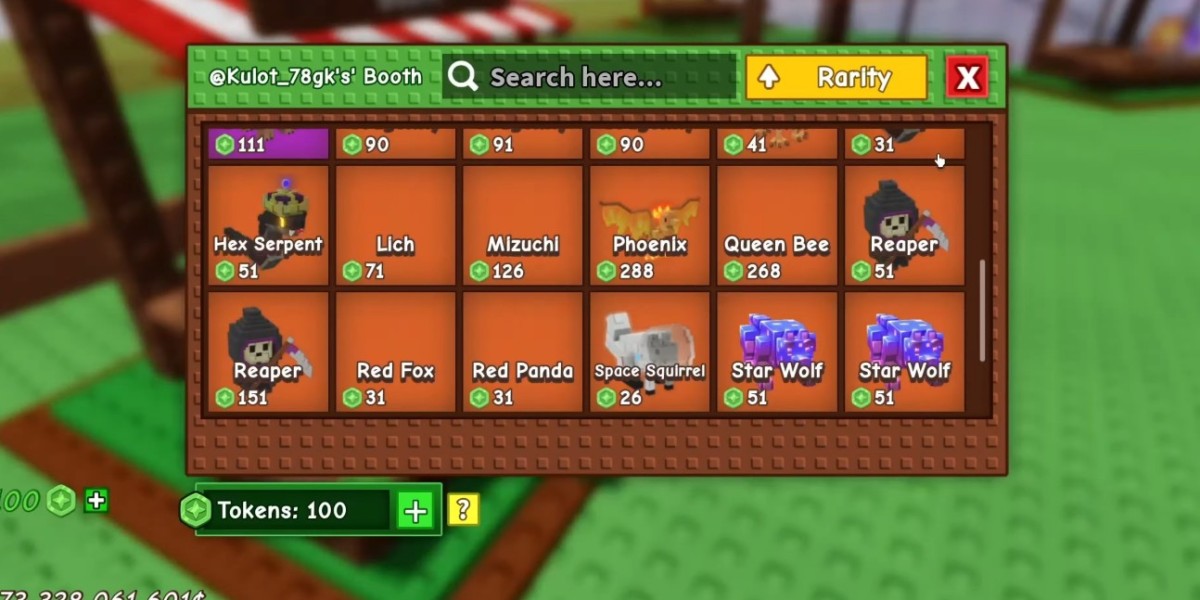
Many players of Grow A Garden wonder how to make good money by buying and selling pets. While it can seem confusing at first, understanding how the in-game market works and how other players behave can make the process much easier. This guide answers common questions and explains practical strategies without hype or promotion.
How do pet prices usually work?
In general, pet prices in Grow A Garden are determined by rarity, demand, and age. Most players pay more for pets that are rare or hard to breed. Common pets usually sell for low prices, even if they are fully grown.
Age also matters. Younger pets sometimes sell for less because they haven’t reached their full growth potential. On the other hand, some players prefer to buy very young pets because they can grow them into high-level pets and sell for a higher price later.
Supply and demand is another factor. If many players are trying to sell the same pet, prices usually go down. If a pet is in demand but hard to find, prices can increase quickly. This can happen when new updates introduce pets or special seasonal events.
Should I focus on buying young pets or fully grown pets?
Most players prefer a mix. Buying fully grown pets means you can sell them immediately, but the profit margins are usually smaller. Young pets are cheaper and can grow in value over time, but it takes patience and some risk, since growth isn’t guaranteed if something goes wrong in the garden.
Usually, it’s safer to buy young pets that are already partially grown. They tend to have a more predictable value. Some experienced players even track pets that grow faster or are easier to care for, so they can calculate potential profit more accurately.
How do breeding and special pets affect the market?
Breeding is a big part of how most players make money. Pets with unique traits or rare combinations are often more valuable. In practice, you’ll notice that players are willing to pay extra for pets that have special appearances or abilities.
Most players also pay attention to pets introduced in limited-time events. For example, if a pet was only available during a holiday or a special event, it usually becomes more expensive over time because fewer of them exist. Tracking these events and the types of pets introduced can give you an advantage in predicting future demand.
Where should I buy pets if I want to sell them later?
In general, most players buy pets from other players rather than random drops. Peer-to-peer trading allows you to compare prices and choose pets that are undervalued. Experienced players often look for deals where they can buy a pet slightly below the current market rate and sell it for a small profit.
It’s important to remember that timing matters. Prices fluctuate depending on how many players are active and how many pets are being sold. Usually, you get the best deals during times when fewer people are online or when there is a lot of supply.
Some players also use tools to track past sales and current offers. This helps them spot trends. For example, certain pets might spike in price right after a new game update or event. Tools and resources like U4N sometimes provide charts showing average prices over time, which can make it easier to decide when to buy or sell.
How do most players set their selling prices?
Players usually start by looking at the current market for the pet they want to sell. In practice, most sellers set a price slightly higher than the cheapest offer, but lower than the average price of similar pets. This way, the pet looks competitive but still earns a reasonable profit.
Some players also adjust prices based on the time of day or week. For example, weekends often have more active players, which can drive prices up slightly. Conversely, during quieter hours, prices might be lower because fewer people are buying.
If you plan to sell multiple pets, it’s generally better to stagger them rather than putting everything up at once. Most players avoid flooding the market with the same type of pet because it tends to reduce value for everyone.
What are common mistakes to avoid when trading pets?
A few mistakes come up repeatedly in player discussions. First, buying too many pets without considering demand can lead to losses. In general, it’s better to focus on a few pets you understand well rather than trying to buy everything.
Second, ignoring growth time can be risky. Some new players buy young pets without accounting for the time and resources needed to grow them. In practice, a pet that takes too long to grow might cost more than it’s worth if you want a quick profit.
Third, many players overprice their pets because they assume rarity alone guarantees a high price. In reality, a rare pet isn’t always valuable if no one wants it at that moment. Looking at actual market trends and observing what sells consistently is more reliable than assuming rarity equals profit.
How do players usually find buyers?
Most players sell pets through in-game trade chats or forums. In practice, consistent communication and clear listings help a lot. Listing a pet with basic details—age, traits, and rarity—usually attracts more serious buyers.
Experienced players often negotiate. For example, they might accept slightly lower offers if it means a faster sale. Most players find that being flexible can be more profitable in the long run than holding out for the perfect price.
Sometimes, players also form small trading networks or groups. Within these groups, members can get early access to pets or learn about upcoming market trends before they become common knowledge. However, even in these groups, prices follow general market behavior.
Is it better to sell quickly or wait for higher prices?
This depends on your strategy. Most players who need in-game currency fast sell quickly at slightly lower prices. Players who are patient can wait for rare pets to increase in value over time.
Usually, rare event pets benefit the most from waiting, while common pets do not. In practice, you can balance both approaches: sell some pets quickly for steady income and keep a few rare ones for long-term profit.
How can I manage risk while trading?
Risk management is important in Grow A Garden, just like in real life. Most players manage risk by diversifying the pets they own. For example, instead of putting all resources into one type of pet, they keep a mix of common, rare, and event pets. This spreads out the chance of loss.
Observing the market before buying is another common practice. If a pet’s price is unusually high, it might drop soon, so waiting can be safer. Similarly, if a pet is undervalued compared to its rarity and traits, it might be a good buy.
Keeping track of resources is also key. Some pets require special care or food, which can reduce profit if not planned correctly. Experienced players calculate growth costs versus expected selling price before committing to a purchase.
Buying and selling pets in Grow A Garden is mostly about understanding patterns in player behavior. Most players focus on rarity, age, and growth potential when deciding what to buy or sell. Timing and careful observation of market trends make a big difference.
In practice, successful players usually combine a few strategies: buying young pets with growth potential, selling rare pets strategically, and tracking market trends through charts or tools like U4N. Avoiding common mistakes, like overpricing or overbuying, helps maintain steady profits. By paying attention to how other players behave, anyone can improve their trading and earn more consistently.