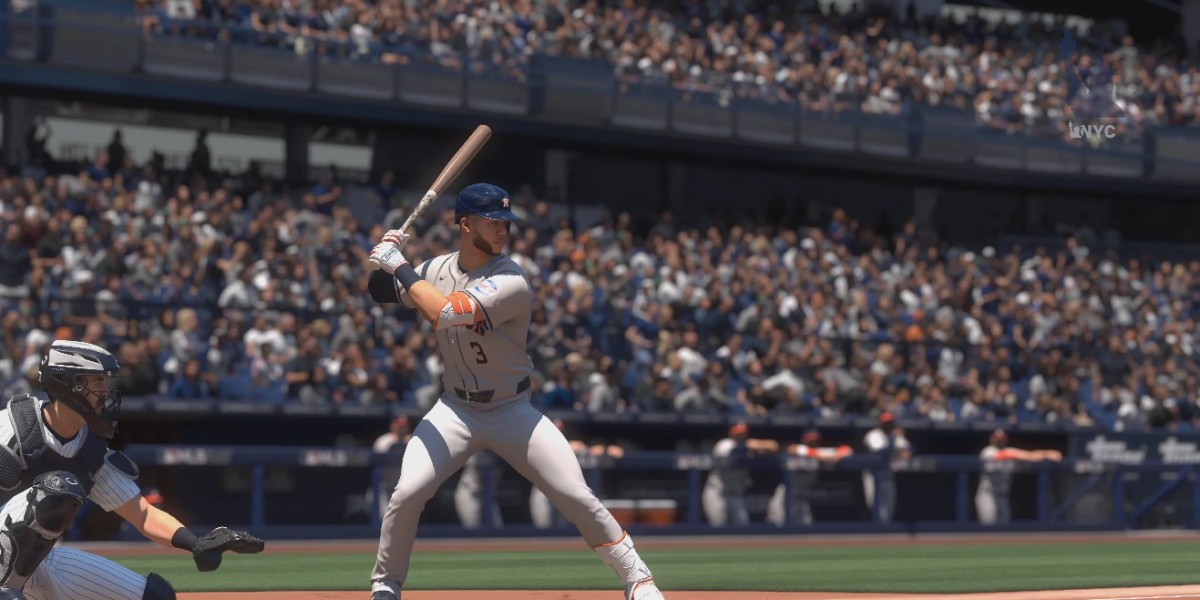
In MLB The Show 26, the Road to the Show (RTTS) mode has taken a few important steps forward, offering a more personalized and immersive experience for players. If you’re a regular RTTS player, or if you're just getting started, you’ll notice that progression feels more tailored to the player’s journey. Whether it’s how your player grows or how you navigate the minor leagues, MLB The Show 26 is making the process feel less like a grind and more like a natural part of your career.
How Has RTTS Progression Changed in MLB The Show 26?
In past editions of MLB The Show, players often felt like their journey through RTTS was mostly determined by numbers. Your player’s development came down to stats, and while that’s still a big part of it, the difference in MLB The Show 26 is that the game has added layers to how your player progresses.
One of the key changes this year is the addition of a more story-driven progression system. Rather than just focusing on stat-based performance, you’ll find that interactions with coaches, teammates, and media shape your journey. These interactions are not just flavor text—they actually influence how quickly your player advances. You’ll be making decisions that can impact things like your overall development, how your teammates feel about you, and even your spot on the team.
This makes progression feel more like a real career, where your actions have consequences beyond just how well you play on the field.
What Does Player Interaction in RTTS Look Like?
In MLB The Show 26, you’ll find yourself interacting with coaches, agents, and sometimes even the media. These conversations aren’t just there for decoration. Depending on how you respond, they can affect your player’s relationship with others, your confidence, and even your skill growth.
For instance, let’s say you have an opportunity to give a speech or talk to the media after a big game. Your choices can boost your morale or may lead to a slight drop in confidence. These moments aren’t always about boosting your stats—they add a layer of decision-making and immersion to the experience.
As you progress through the minor leagues, coaches might give you more specific feedback or suggest ways to improve your gameplay. This can guide how you allocate your skill points. Are you going to focus on improving your speed to steal bases, or will you dedicate more time to your batting skills? These decisions make your player feel more unique, as the way you shape your career is driven by more than just raw numbers.
Is It Easier to Progress Your Player in MLB The Show 26?
Yes, but not in the way you might expect. Progressing your player in MLB The Show 26 is not about making it to the majors as quickly as possible. Instead, it's about creating a career arc that feels satisfying and natural. You’ll still have to grind through games and practice, but there are now more ways to improve your player.
One of the most significant changes is the deeper integration of drills and training sessions. These are no longer simply “point boosters” that you rush through. They are now more engaging, with specific mini-games designed to help you improve certain aspects of your player’s game. For example, there might be training scenarios that focus on base running or fielding, which require you to actually perform the skills in a more interactive way.
Additionally, there’s now a wider variety of ways to level up your player’s attributes. Instead of just focusing on performance-based metrics like batting average or ERA, you can also increase things like mental attributes, which affect how your player handles pressure or responds to adversity. These non-physical attributes can be as important as physical ones, especially if you want to build a more well-rounded player.
What About My Player’s Appearance and Gear?
While gameplay progression is the focus, MLB The Show 26 also puts more emphasis on customizing your player's appearance and gear. You can unlock new outfits, gloves, cleats, and even tattoos as you progress. These cosmetic changes help reinforce that your player is evolving—not just in terms of stats, but also in their personal style.
There’s also the added bonus of being able to purchase special gear or cosmetics for your player. If you’re wondering where to buy MLB The Show 26 stubs to get those exclusive items, you can easily find them through the in-game store or various online platforms.
How Does the Minor Leagues Experience Feel?
The minor leagues in MLB The Show 26 are no longer just a stepping stone to the majors. While you’re still trying to earn a spot on the MLB roster, the minor league experience has more depth than before. The grind of the minors feels a lot more rewarding, thanks to the improved training options and storylines. You’ll also encounter more unique team dynamics and rivalries, which can make every game feel like a real part of your journey.
In past games, the minor leagues felt like a slog at times, with your player just ticking through games until they reached the majors. But now, it feels like a more important chapter in your player’s story. Whether you’re trying to make a good impression on your coach or dealing with the challenges of a struggling team, these moments matter in shaping your career.
Do I Have to Grind as Much?
The grind is still there in MLB The Show 26, but the way it’s structured has made it feel more rewarding. While it’s always going to take time to develop your player into an MLB-ready prospect, the improvements in how your player progresses through training, storylines, and team interactions make it feel more balanced.
The biggest change is that you’re not just grinding to level up a set of stats. You’re working toward different goals, and each of those goals impacts your player’s overall journey. It feels like a more organic path to the majors, with less emphasis on grinding for the sake of grinding.
Can I Progress Faster If I Want To?
Yes, you can speed up progression if you're willing to spend money or use stubs. The game offers options to purchase stubs, which can be used to buy items, training boosts, and more. If you’re wondering where to buy MLB The Show 26 stubs, they can be easily purchased through the in-game store or online platforms. Some players choose this route to speed up the process, but for those who prefer a more organic approach, the game still offers plenty of ways to progress naturally.
What About The Call-Up to the Majors?
The journey to the majors is one of the most exciting parts of RTTS, and MLB The Show 26 does a great job of making it feel earned. In past editions, your call-up was mostly determined by your stats and how quickly you could achieve certain goals. This year, however, your actions and your personality in the clubhouse, as well as your progression through the minors, can also play a big role in when and how you get that big call.
In some cases, you might be called up earlier than expected based on your performance and your character decisions. On the other hand, if you’ve been underperforming or not engaging with your teammates and coaches, you might find yourself stuck in the minors a little longer than you expected. It’s not just about the numbers—it’s about how you carry yourself as a player.
RTTS progression in MLB The Show 26 is more personal than ever before. The game focuses on creating a career arc for your player that feels rewarding, immersive, and realistic. With the addition of more character-driven storylines, deeper interactions with coaches and teammates, and a variety of ways to level up your player, the experience feels more dynamic. While there is still a grind, it’s a grind that feels more meaningful and less like a chore.